

Projects
Kurram Welfare Home (KWH) Impactful Journey!
Kurram Welfare Home (KWH) has been a steadfast contributor to Pakistan’s socio-economic development, delivering over 85 impactful projects since its inception. With operations spanning Khyber Pakhtunkhwa, Newly Merged Districts, Sindh, Punjab, Balochistan, and Gilgit-Baltistan, KWH focuses on a wide array of development sectors. Its initiatives are aimed at transforming communities, empowering individuals, and building resilience through innovative and sustainable solutions.
Education for All
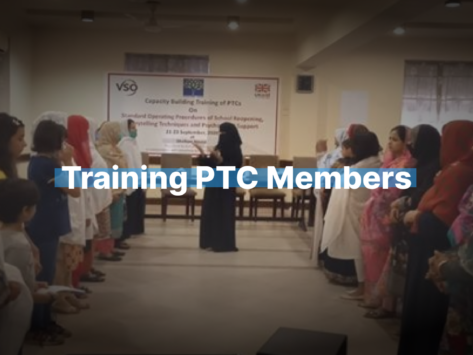
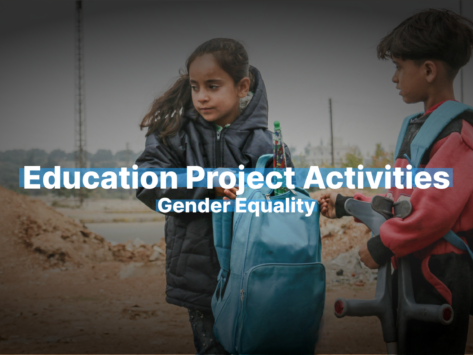
The organization has successfully completed over 30 education projects, ensuring access to quality education for marginalized and underserved communities. It has enrolled more than 20,000 out-of-school children, established and managed 50 schools nationwide, and developed robust public-private partnerships to enhance educational infrastructure. Teacher training programs and curriculum development have also been pivotal in achieving long-lasting impact.
Health and Nutrition
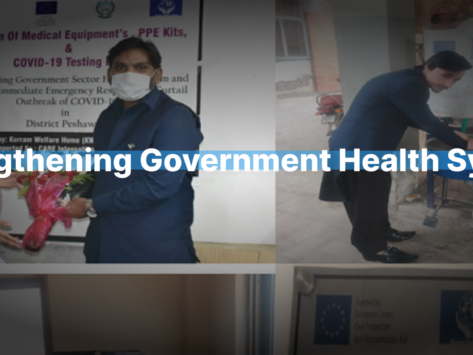
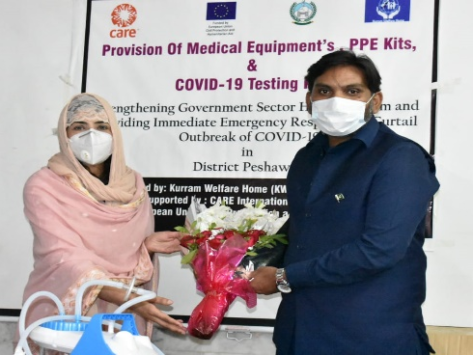
KWH has implemented more than 10 projects to address healthcare challenges in remote and rural areas. These initiatives include maternal and child health programs, hygiene promotion campaigns, and nutritional support projects. Focused interventions in Sindh, Punjab, and Balochistan have significantly improved community health and well-being.
Livelihoods and Skill Development
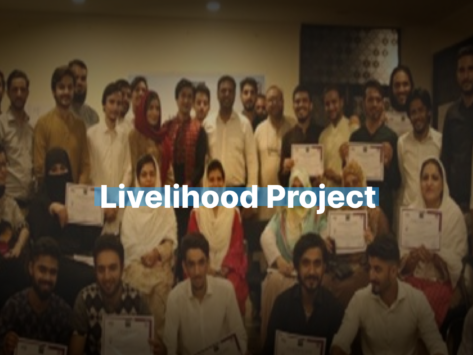
KWH has delivered over 25 projects aimed at creating sustainable livelihood opportunities. Vocational training programs in trades such as beauty therapy, tailoring, carpentry, and travel management have empowered thousands of youth and women. Through these initiatives, over 30,000 individuals have achieved financial independence and improved their socio-economic conditions.
Youth Empowerment
Youth empowerment is a cornerstone of KWH’s approach. Through targeted initiatives, KWH has engaged young people in skill development, leadership training, and entrepreneurship programs. These efforts have enabled youth to contribute meaningfully to their communities and become agents of change.
Women Empowerment and Gender Equality
KWH has executed over 15 projects promoting gender equality and empowering women. These programs address gender-based violence (GBV), provide support services for survivors, and create economic opportunities for women. Training programs and income-generation activities have enhanced women’s socio-economic roles, enabling them to contribute to household and community development.
Civic Education and Community Engagement
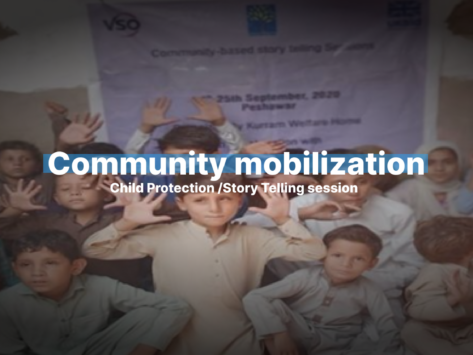
KWH has championed civic education and community engagement through initiatives designed to strengthen civil society. Programs in voter education, participatory governance, and community mobilization have fostered a sense of responsibility and active citizenship, particularly in underserved regions.
Disaster Management and Climate Action
With extensive experience in disaster management, KWH has implemented more than 10 projects focused on disaster risk reduction and emergency response. From flood anticipatory action in Gilgit-Baltistan to community-based disaster preparedness in KP and Balochistan, KWH has worked to enhance resilience against natural calamities. Climate adaptation and environmental conservation projects are also central to its approach.
Food Security and Sanitation
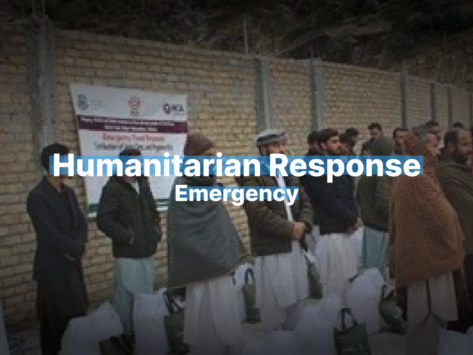
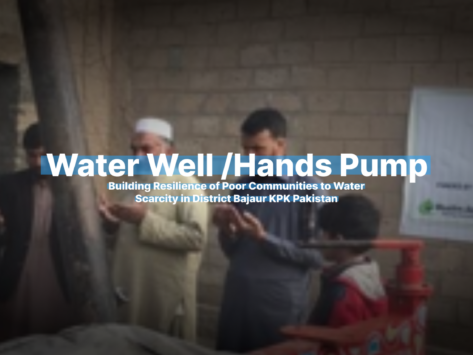
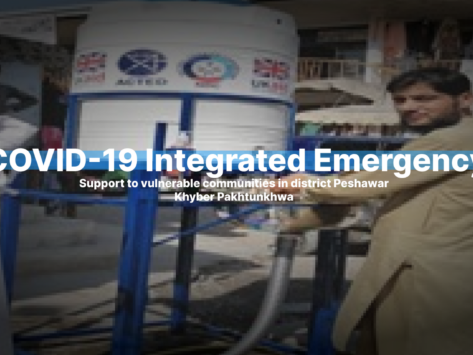
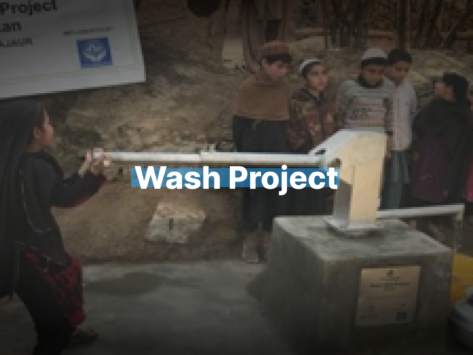
KWH has delivered essential food security and sanitation projects across Pakistan. Collaborating with international partners, it has implemented food distribution programs and developed clean water and sanitation solutions in Sindh, Punjab, and GB, directly benefiting thousands of households.
Nationwide Outreach and Impact
KWH’s efforts have reached every corner of Pakistan. Its projects in KP, NMDs, Sindh, Punjab, Balochistan, and Gilgit-Baltistan demonstrate its capacity to adapt to diverse local contexts. From addressing rural healthcare challenges to promoting quality education and empowering marginalized communities, KWH’s initiatives reflect its commitment to sustainable development.
Commitment to Sustainability and Innovation
Guided by a transparent institutional framework and gender-balanced team, KWH emphasizes participatory approaches, innovative solutions, and evidence-based practices. With a strong network of partnerships, including UN agencies, INGOs, and local governments, KWH continues to deliver transformative programs aligned with Pakistan’s development goals.
This comprehensive approach underscores KWH’s unwavering dedication to uplifting communities and fostering resilience across Pakistan.
Refugee Support and Integration
KWH has a strong history of supporting refugees, particularly in partnership with UNHCR. Through targeted projects, the organization has provided essential services, including shelter, education, health care, and livelihood support for refugees in Pakistan. KWH’s programs focus on integrating refugees into local communities by addressing their immediate needs.
Kurram Welfare Home (KWH) Impactful Journey!
Kurram Welfare Home (KWH) has been a steadfast contributor to Pakistan’s socio-economic development, delivering over 85 impactful projects since its inception. With operations spanning Khyber Pakhtunkhwa, Newly Merged Districts, Sindh, Punjab, Balochistan, and Gilgit-Baltistan, KWH focuses on a wide array of development sectors. Its initiatives are aimed at transforming communities, empowering individuals, and building resilience through innovative and sustainable solutions.
Education for All
The organization has successfully completed over 30 education projects, ensuring access to quality education for marginalized and underserved communities. It has enrolled more than 20,000 out-of-school children, established and managed 50 schools nationwide, and developed robust public-private partnerships to enhance educational infrastructure. Teacher training programs and curriculum development have also been pivotal in achieving long-lasting impact.
Health and Nutrition
KWH has implemented more than 10 projects to address healthcare challenges in remote and rural areas. These initiatives include maternal and child health programs, hygiene promotion campaigns, and nutritional support projects. Focused interventions in Sindh, Punjab, and Balochistan have significantly improved community health and well-being.
Livelihoods and Skill Development
KWH has delivered over 25 projects aimed at creating sustainable livelihood opportunities. Vocational training programs in trades such as beauty therapy, tailoring, carpentry, and travel management have empowered thousands of youth and women. Through these initiatives, over 30,000 individuals have achieved financial independence and improved their socio-economic conditions.
Youth Empowerment
Youth empowerment is a cornerstone of KWH’s approach. Through targeted initiatives, KWH has engaged young people in skill development, leadership training, and entrepreneurship programs. These efforts have enabled youth to contribute meaningfully to their communities and become agents of change.
Women Empowerment and Gender Equality
KWH has executed over 15 projects promoting gender equality and empowering women. These programs address gender-based violence (GBV), provide support services for survivors, and create economic opportunities for women. Training programs and income-generation activities have enhanced women’s socio-economic roles, enabling them to contribute to household and community development.
Civic Education and Community Engagement
KWH has championed civic education and community engagement through initiatives designed to strengthen civil society. Programs in voter education, participatory governance, and community mobilization have fostered a sense of responsibility and active citizenship, particularly in underserved regions.
Disaster Management and Climate Action
With extensive experience in disaster management, KWH has implemented more than 10 projects focused on disaster risk reduction and emergency response. From flood anticipatory action in Gilgit-Baltistan to community-based disaster preparedness in KP and Balochistan, KWH has worked to enhance resilience against natural calamities. Climate adaptation and environmental conservation projects are also central to its approach.
Food Security and Sanitation
KWH has delivered essential food security and sanitation projects across Pakistan. Collaborating with international partners, it has implemented food distribution programs and developed clean water and sanitation solutions in Sindh, Punjab, and GB, directly benefiting thousands of households.
Nationwide Outreach and Impact
KWH’s efforts have reached every corner of Pakistan. Its projects in KP, NMDs, Sindh, Punjab, Balochistan, and Gilgit-Baltistan demonstrate its capacity to adapt to diverse local contexts. From addressing rural healthcare challenges to promoting quality education and empowering marginalized communities, KWH’s initiatives reflect its commitment to sustainable development.
Commitment to Sustainability and Innovation
Guided by a transparent institutional framework and gender-balanced team, KWH emphasizes participatory approaches, innovative solutions, and evidence-based practices. With a strong network of partnerships, including UN agencies, INGOs, and local governments, KWH continues to deliver transformative programs aligned with Pakistan’s development goals.
This comprehensive approach underscores KWH’s unwavering dedication to uplifting communities and fostering resilience across Pakistan.
Refugee Support and Integration
KWH has a strong history of supporting refugees, particularly in partnership with UNHCR. Through targeted projects, the organization has provided essential services, including shelter, education, health care, and livelihood support for refugees in Pakistan. KWH’s programs focus on integrating refugees into local communities by addressing their immediate needs.
Category:All